
Have you ever wondered how mayonnaise maintains its creamy texture, or why chocolate bars don’t separate into layers of cocoa butter and solids? The answer lies in remarkable molecules called emulsifiers – nature’s molecular bridges that help create the stable, uniform textures we enjoy in many foods. Let’s explore the fascinating science behind these essential food ingredients.
Introduction
Emulsifiers are versatile food additives that play a crucial role in the manufacturing and stability of many common food products. At their core, emulsifiers are molecules that help blend together ingredients that would normally not mix well, such as oil and water. They act as “bridges” that allow these immiscible (non-mixing) liquids to form a stable emulsion, creating the smooth, creamy textures we enjoy in everything from salad dressings and mayonnaise to ice cream and baked goods.
Emulsifiers are classified as amphiphilic molecules, meaning they have both hydrophilic (water-loving) and lipophilic (fat-loving) properties. This unique chemical structure allows them to orient themselves at the interface between oil and water, stabilizing the emulsion. This helps create the smooth, creamy textures we enjoy in everything from salad dressings and mayonnaise to ice cream and baked goods.
How Do Emulsifiers Work?
The foundation of emulsifier functionality lies in their amphiphilic molecular structure, characterized by distinct hydrophilic and hydrophobic regions within the same molecule. This unique structural arrangement enables emulsifiers to position themselves at the interface between oil and water phases, reducing interfacial tension and promoting stable emulsion formation. The molecular orientation of emulsifiers at interfaces follows thermodynamic principles: the hydrophilic head groups align with the aqueous phase while hydrophobic tails extend into the oil phase, creating a molecular barrier that prevents coalescence of dispersed droplets.
The effectiveness of an emulsifier in stabilizing food systems depends critically on its Hydrophilic-Lipophilic Balance (HLB), a numerical expression of the relative proportion of hydrophilic to lipophilic groups in the molecule. HLB values typically range from 0 to 20, with lower values indicating greater oil solubility and higher values suggesting enhanced water solubility. This quantitative parameter serves as a crucial tool for emulsifier selection in food formulation, though practical application requires consideration of additional factors including processing conditions, temperature sensitivity, and ionic environment.
Interface stabilization by emulsifiers involves multiple concurrent mechanisms. The primary mechanism centers on the reduction of interfacial tension, which decreases the energy required to maintain dispersed phases. Secondary stabilization occurs through the formation of structured interfacial films that provide steric hindrance and electrostatic repulsion between droplets. Understanding these mechanisms is essential for predicting emulsifier behavior in complex food matrices and optimizing their application in specific product formulations.
Common Types of Emulsifiers Used in Food
Food-grade emulsifiers encompass a diverse range of compounds, both natural and synthetic, each offering distinct functional properties and application advantages. Understanding the characteristics and applications of each type helps food scientists make informed decisions in product development.
Natural emulsifiers
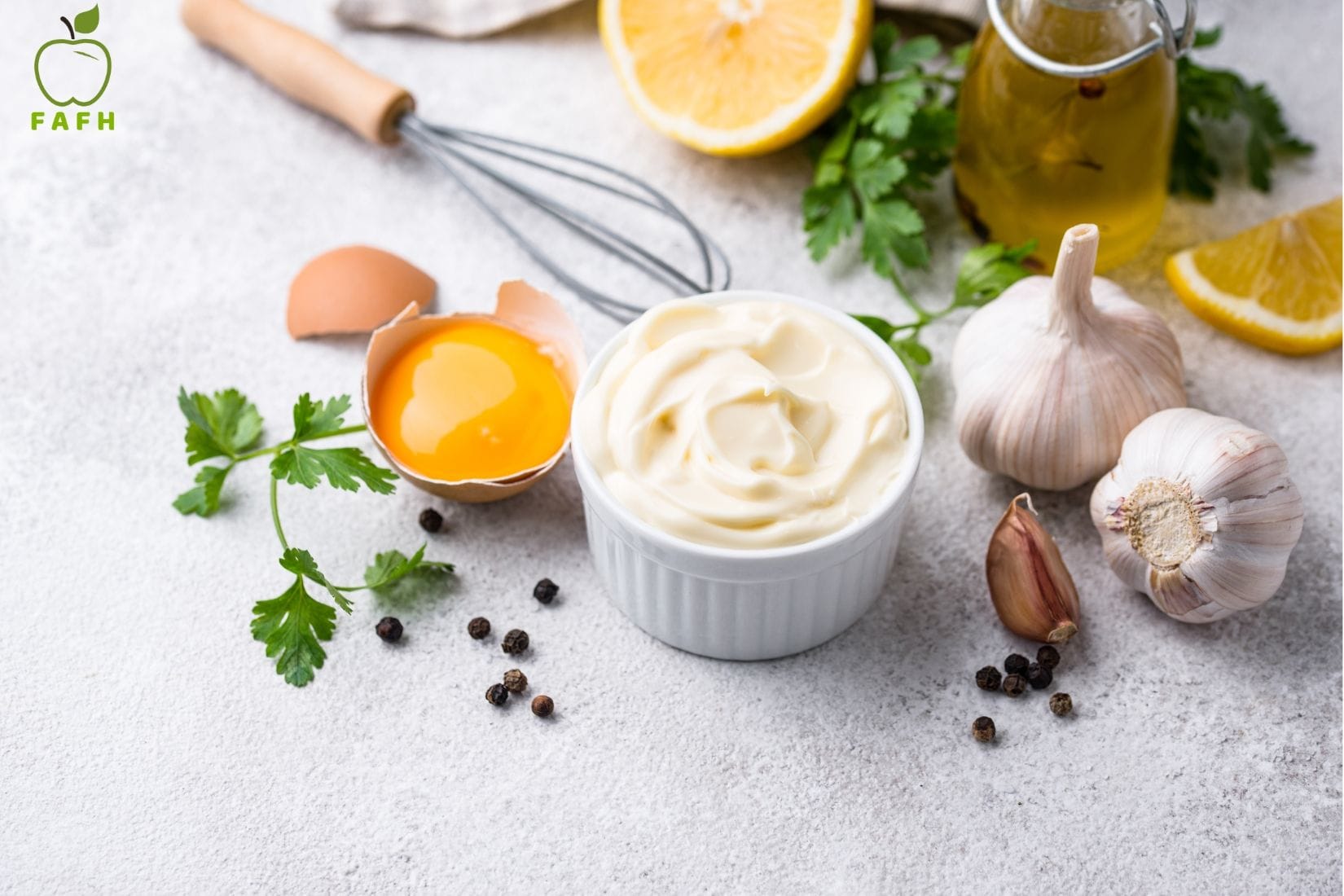
Natural emulsifiers derive from biological sources and have been used in food preparation for centuries. Egg yolk represents one of the oldest and most effective natural emulsifiers, containing phospholipids and lipoproteins that create stable emulsions in products like mayonnaise and hollandaise sauce. Lecithin, extracted from soybeans or sunflower seeds, serves as another prominent natural emulsifier, with its phospholipid structure providing excellent emulsification properties in chocolate processing and bakery applications. Milk proteins, particularly caseins and whey proteins, demonstrate natural emulsifying capabilities through their amphiphilic structure, making them valuable in dairy product formulations.
Plant-based natural emulsifiers include saponins from quinoa and yucca, which form stable foams and emulsions in beverage applications. Mustard seed contains natural emulsifying compounds that have been traditionally used in vinaigrettes and sauces. Gum arabic, extracted from acacia trees, provides both emulsification and stabilization properties in beverage and confectionery applications. These natural emulsifiers often appeal to clean-label preferences but may present challenges in terms of consistency and stability across different processing conditions.
Synthetic emulsifiers
Synthetic emulsifiers, developed through chemical modification of natural compounds, offer enhanced functionality and consistency in food processing. Mono- and diglycerides of fatty acids (E471) represent the largest category of synthetic food emulsifiers, produced through controlled glycerolysis of edible fats and oils. These compounds find widespread use in bakery products, margarine, and ice cream due to their consistent performance and stability. Polysorbates (E432-436), synthesized from sorbitol and fatty acids, provide excellent stability in complex systems like ice cream and chocolate coatings.
Other significant synthetic emulsifiers include sodium stearoyl lactylate (E481), commonly used in bread and other baked goods for its dough-strengthening properties, and propylene glycol esters of fatty acids (E477), which excel in whipped toppings and coffee creamers. Diacetyl tartaric acid esters of mono- and diglycerides (DATEM, E472e) provide exceptional dough stability in bread production. These synthetic emulsifiers undergo careful molecular design to achieve specific HLB values and functional properties, enabling precise control over emulsion characteristics and consistent performance across production batches.
The selection between natural and synthetic emulsifiers depends on multiple factors including processing requirements, desired product characteristics, regulatory considerations, and consumer preferences. While natural emulsifiers often align with clean-label trends, synthetic emulsifiers provide advantages in terms of stability, functionality, and cost-effectiveness in large-scale food production. Understanding the properties and limitations of each type enables food scientists to make optimal choices for specific applications.
Applications in Food Manufacturing
The implementation of emulsifiers in food manufacturing requires a systematic approach to formulation and process design. Product developers must consider multiple factors including the desired emulsion type (oil-in-water or water-in-oil), processing conditions, storage requirements, and target product characteristics. The selection of appropriate emulsifiers begins with determining the required HLB value for the specific application, followed by consideration of regulatory status, cost effectiveness, and compatibility with other ingredients.
Bread Manufacturing Applications
Emulsifiers serve as critical functional ingredients in bread production, fundamentally altering dough properties and final product characteristics. While bread can be produced without emulsifiers, their absence typically results in products with reduced volume, dry texture, and accelerated staling. The incorporation of as little as 0.5% emulsifier in the dough formulation achieves significant improvements in bread quality through two distinct mechanisms.
Dough intensifiers, including diacetyl tartaric acid esters (E472e) and sodium or calcium stearoyl-2-lactylate (E481, E482), interact with gluten proteins to enhance dough strength and stability. This interaction results in improved gas retention during fermentation and baking, leading to enhanced loaf volume and more uniform crumb structure. Simultaneously, dough softeners, primarily mono- and di-glycerides of fatty acids (E471), work to create a softer crumb texture and extend product shelf life through controlled interaction with starch molecules.
Ice Cream Stabilization
Ice cream represents one of the most complex food systems, requiring careful management of multiple phases including ice crystals, air cells, fat particles, and an unfrozen aqueous matrix. Emulsifiers play multiple crucial roles in this system, particularly during the freezing process. The primary emulsifiers used in ice cream production include mono and diglycerides of fatty acids (E471), lecithin (E322), and polysorbates (E432, E436).
These emulsifiers promote optimal fat destabilization during freezing, contributing to smooth texture development and controlling ice crystal growth. Furthermore, they enhance resistance to heat shock and improve freeze-thaw stability, critical factors for maintaining product quality throughout distribution and storage. The same principles apply to related frozen desserts including sorbets, milkshakes, frozen mousses, and frozen yogurt, though specific emulsifier selections may vary based on product requirements.
Chocolate Processing Enhancement
Chocolate manufacturing relies heavily on emulsifier technology, with all chocolate products typically containing 0.5% lecithin (E322) or ammonium phosphatide (E442). These emulsifiers serve multiple functions: they reduce chocolate viscosity, enabling proper molding and enrobing operations, and they help maintain proper fat crystal structure. The latter function is particularly important for preventing chocolate bloom, a quality defect characterized by white surface discoloration.
Sorbitan tristearate (E492) plays a specific role in bloom control by influencing fat crystal formation and migration. This emulsifier helps maintain proper chocolate appearance and texture throughout storage, particularly when temperature control may be suboptimal. The proper selection and application of emulsifiers in chocolate processing directly impacts both manufacturing efficiency and product quality.
Dairy Product Stabilization
In dairy products, particularly processed milk and yogurt, emulsifiers contribute to product stability and texture development. They help maintain uniform fat distribution in milk products and prevent separation in yogurt formulations. The interaction between dairy proteins and emulsifiers is particularly important in creating stable, appealing products with consistent texture and appearance throughout their shelf life.
Processed Meat Applications
In processed meat products, particularly sausages, emulsifiers play a crucial role in creating stable meat emulsions. The complex matrix of meat proteins, fat, and water requires careful stabilization to achieve desired product characteristics. Gelatin and Carrageenan (E407) are commonly employed in processed meat applications, where they help distribute fat uniformly throughout the product and maintain stability during processing and storage.
These emulsifiers are particularly important in low-fat meat products, where they help achieve sensory properties similar to full-fat counterparts. The proper selection and application of emulsifiers in meat processing ensures product stability, appropriate texture, and desired mouthfeel characteristics while maintaining processing efficiency.
Advanced Emulsifier Technology and Innovation
Recent developments in emulsifier science have expanded the possibilities for food product innovation. Novel emulsifier designs incorporate functional groups that respond to specific environmental triggers, enabling controlled release or targeted functionality. These advanced materials offer potential solutions to challenges in clean label formulation and enhanced product stability.
Research in this field continues to explore the relationship between emulsifier molecular structure and functional properties. Advanced analytical techniques, including surface tension analysis and microscopy methods, provide deeper insights into interfacial phenomena and emulsion stability mechanisms. This knowledge drives the development of improved emulsifier systems and more efficient processing methods.
Regulatory Framework and Quality Standards
The regulatory landscape for food emulsifiers varies globally, necessitating careful attention to compliance requirements in different markets. In the United States, the FDA maintains specific guidelines for emulsifier use, including permitted types and usage levels. Similarly, the European Union operates under E-number classifications, with detailed specifications for each approved emulsifier.
Quality control programs for emulsifier applications must address both raw material specifications and finished product characteristics. Standard testing protocols include HLB determination, interfacial tension measurement, and stability assessment under various conditions. Documentation requirements typically include certificates of analysis, specification sheets, and validation of compliance with applicable regulations.
Technical Considerations for Emulsifier Selection
The selection of appropriate emulsifiers requires systematic evaluation of multiple parameters. Performance criteria include emulsion stability, processing tolerance, cost effectiveness, and regulatory compliance. Technical evaluation should consider the following key aspects:
Compatibility with the food matrix and other ingredients remains paramount in emulsifier selection. The presence of proteins, polysaccharides, and other surface-active compounds can significantly influence emulsifier performance. Understanding these interactions enables optimization of emulsifier systems for specific applications.
Process conditions, including temperature, pH, and mechanical stress, must align with the stability range of selected emulsifiers. Temperature sensitivity particularly affects crystalline emulsifiers, where phase transitions can impact functionality. Processing equipment design and operating parameters should account for these considerations to maintain consistent product quality.
Conclusion
The effective utilization of emulsifiers in food manufacturing requires a thorough understanding of their chemical properties, functional mechanisms, and application requirements. This technical guide provides a foundation for informed decision-making in emulsifier selection and implementation. Continued advances in emulsifier technology, coupled with evolving regulatory requirements and consumer preferences, will drive further innovation in this critical area of food science. Food industry professionals must maintain current knowledge of these developments to optimize product formulations and processing strategies effectively.
The future of emulsifier technology in food manufacturing points toward increased sophistication in molecular design and application specificity. As understanding of interfacial phenomena continues to advance, new opportunities for product innovation and process optimization will emerge. Success in this evolving landscape requires ongoing commitment to technical excellence and regulatory compliance while maintaining focus on meeting consumer expectations for product quality and safety.
Technical FAQ: Advanced Topics in Food Emulsifier Applications
How do processing temperatures affect emulsifier functionality in food systems?
Processing temperature significantly influences emulsifier performance through its effects on molecular mobility and phase behavior. At temperatures above their melting point, crystalline emulsifiers become more mobile and can more readily migrate to interfaces. However, excessive temperatures may lead to degradation or loss of functionality. The temperature-dependent behavior varies among emulsifier types: monoglycerides typically show optimal functionality between 60-70°C, while phospholipids maintain stability at higher temperatures. Processing temperature selection must consider both emulsifier characteristics and overall formulation requirements to achieve desired functionality.
What factors determine emulsifier selection for clean label products?
Clean label emulsifier selection requires careful consideration of source materials and processing methods. Natural emulsifiers such as lecithin from sunflower or soy sources often meet clean label requirements, but their implementation presents unique challenges. Performance variability between batches necessitates robust quality control systems and may require higher usage levels to achieve consistent results. Successful clean label formulation often involves combining multiple natural emulsifiers to achieve functionality comparable to synthetic alternatives while maintaining clean label status.
How can emulsifier systems be optimized for high-pressure processing applications?
High-pressure processing (HPP) creates unique demands on emulsifier systems due to pressure-induced changes in molecular interactions and phase behavior. Successful implementation requires emulsifiers with pressure-stable molecular structures and appropriate HLB values for the specific application. The selection process should consider pressure resistance, temperature stability, and interaction with other ingredients under high-pressure conditions. Implementation typically involves preliminary testing at various pressure levels to determine optimal emulsifier concentration and composition.
What methods are most effective for troubleshooting emulsion stability issues?
Systematic emulsion stability analysis begins with characterization of the destabilization mechanism. Analytical techniques including particle size analysis, zeta potential measurement, and microscopic examination provide crucial information about the nature of instability. Common issues include insufficient emulsifier concentration, inappropriate HLB value selection, or processing condition misalignment. Resolution typically requires adjusting one or more key parameters while monitoring stability indicators through accelerated stability testing protocols.